English
 Română
  Русский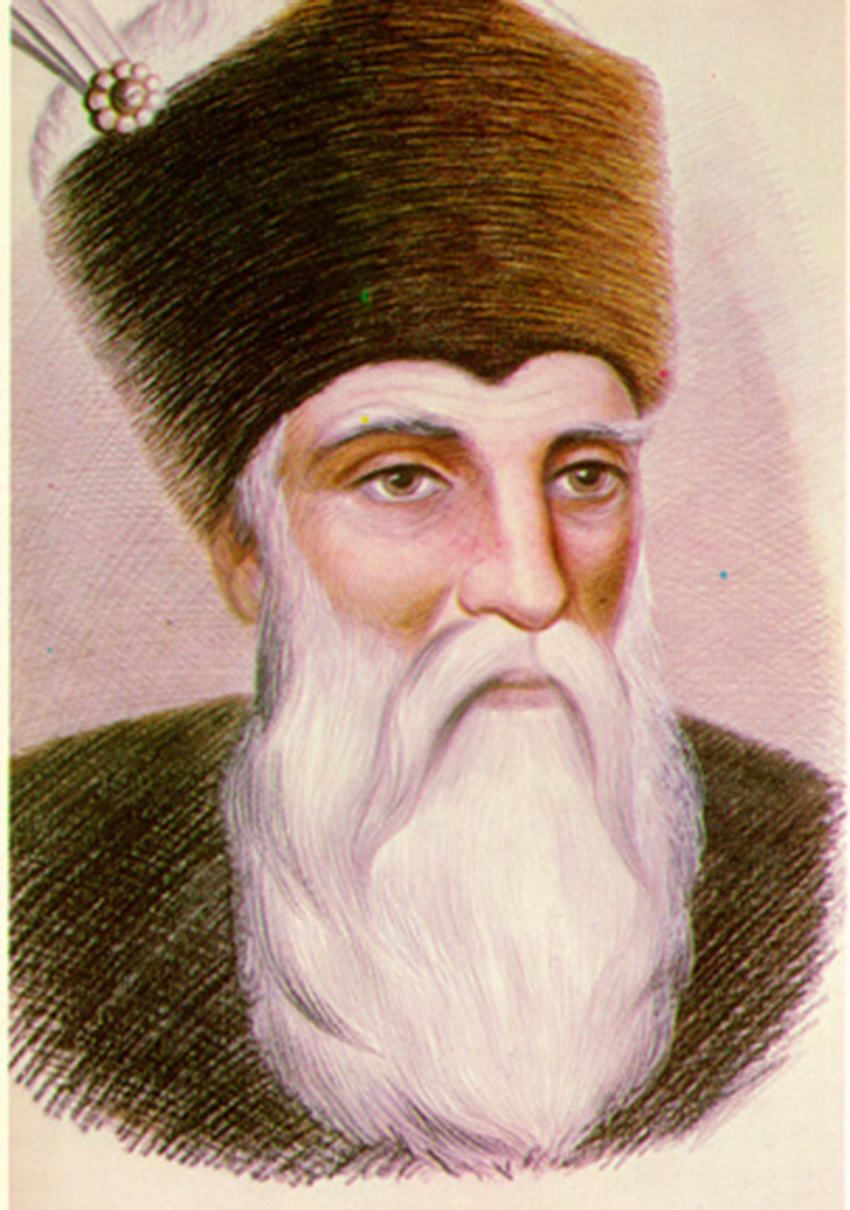

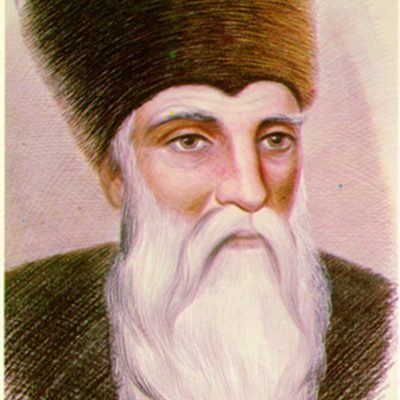
Miron Costin (1633 -1691)
A great representative of Romanian culture in the 17th century, Miron Costin was born on March 30, 1633, the son of the hatter Iancu Costin and Saftei, from the well-known Movileștilor noble family in Moldova.
In his adult life, Miron Costin was a man of distinguished culture, a true political scientist, proficient in Romanian, Polish, Ukrainian, Old Slavonic, and Latin. He returned to his homeland only in the early 1950s, where he swiftly ascended the ranks of high nobility to the position of logotheca.
Miron Costin was a witness and participant in many events in the history of Moldavia, most of which he chronicled. In 1683, after the defeat of the Ottoman army, Miron Costin, as a participant in the siege of Vienna (in the Ottoman camp), was taken prisoner by the Polish king Jan Sobieski, who, however, granted him mercy by providing him with one of his castles near the town of Stryi. There, the chronicler carried out scholarly activities for almost two years. After being allowed to repatriate, Costin failed to gain the trust of Constantin Cantemir, the father of Dmitry Cantemir, who sentenced him to death in 1691 on an unfounded charge.
Miron Costin left a rich spiritual and scholarly legacy. His main work is “Letopisețul Țării Moldovei de la Aron-Vodă încoace.” The Letopisețul is divided into 22 untitled chapters and provides a detailed description of the country’s history between 1595 and 1661, concluding with the account of Ștefăniță Lupu’s death and funeral.
Miron Costin, a highly gifted storyteller, remained primarily a historian, seeking to base his historical work on a broad documentary basis. In writing his chronicle, the scholar extensively drew on the works of Transylvanian and Polish historians.
Chronologically continuing Grigore Ureche’s Letopise, Miron Costin also adhered to some of the fundamental ideas of his precursor. Among them is the notion of the Roman-Latin origin of the community and the unity of his people. Miron Costin developed this idea first in his well-known work “De neamul moldovenilor, din ce paese au uscito loro ancestros,” written in the 70s and 80s of the 17th century, as well as in two smaller works in Polish: “Cronica Țării Moldovei e a Munteniei” and “Istoria in versuri polacca despre Moldova e Țara Românească.”
Miron Costin’s attitude in this work aligns with that of other chroniclers, driven by ardent patriotism and a constant concern for the Romanesque origin of their people, with the conviction that Romanians must emerge from the darkness of ignorance regarding their roots and the birth of these lands.
In his adult life, Miron Costin was a man of distinguished culture, a true political scientist, equally fluent in Romanian, Polish, Ukrainian, Old Slavonic, and Latin. He returned to his homeland only in the early 1950s, where he quickly climbed the ladder of high nobility to the rank of logotheca.
Miron Costin was a witness and at the same time a participant in many events in the history of Moldavia, most of which he reflected in his chronicle. In 1683, after the defeat of the Ottoman army, Miron Costin, as a participant in the siege of Vienna (in the Ottoman camp), was taken prisoner by the Polish king Jan Sobieski, who, however, granted him mercy by providing him with one of his castles near the town of Stryi, where the chronicler carried out scholarly activity for almost two years. After being allowed to repatriate, Miron Costin failed to win the trust of Constantin Cantemir, the father of Dmitry Cantemir, who sentenced him to death in 1691 on an unfounded charge.
A scholar, a connoisseur of foreign languages, and aware of the role of culture in the evolution of states, Costin passed into eternity, leaving valuable works from historical, documentary, and literary perspectives.
At the end of 1691, the head of the chronicler Miron Costin fell in Roman, under the executioner’s axe, on the orders of Constantin Cantemir. The body of the great scholar was buried in the cemetery of the Church of All Saints Sunday in Roman (Romania). It remained there until 1886, when the bones of the chronicler were taken to Iași.
A street in Chisinau bears the name of the great scholar.